
CASE STUDY
Stump Cross Caverns
The story wasn't the loan.
It was what the loan protected.
Opportunity
NatWest wanted to reposition itself as a more human and emotionally connected partner for independent businesses.
While SME lending continued to grow, more businesses were turning away from major banks, with over 60% seeking funding elsewhere. The category had become increasingly associated with transactional relationships rather than a genuine understanding of the businesses behind them.
Stump Cross Caverns presented an opportunity to tell a different story.
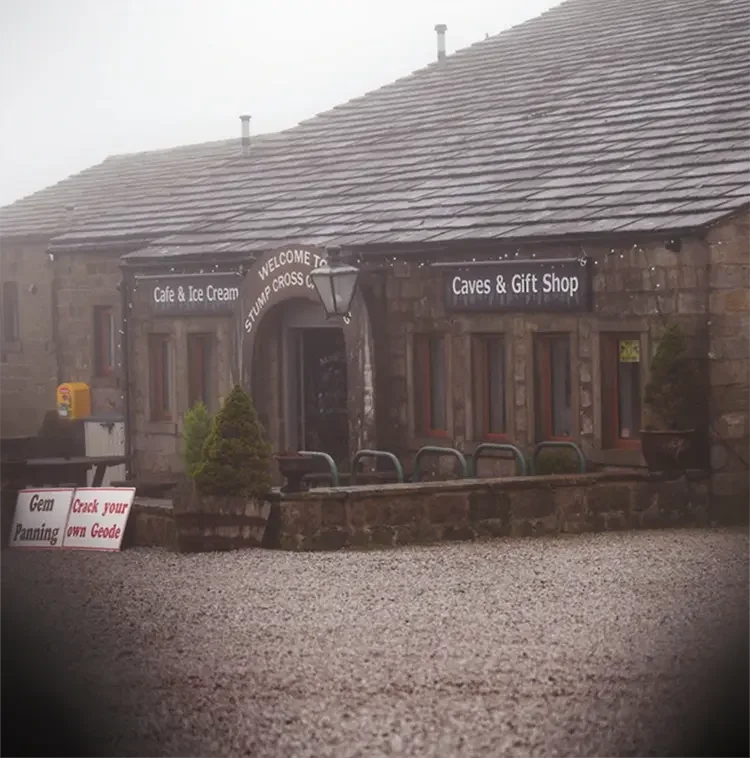
A family-run visitor attraction in the Yorkshire Dales, the business had grown from 20,000 to 45,000 annual visitors while balancing commercial growth with the responsibility of preserving a unique local landmark and multi-generational family legacy.
-
PRODUCERS : Pam Sives, Heather Gray
ART DIRECTOR / CREATIVE : Myself
COPYWRITER / CREATIVE : Tom Cook
DIRECTOR : Stacy Cody
PHOTOGRAPHER : Andras Ridovic
- Brand Storytelling
- Social Content
- Motion Design
- Campaign Development
- Community Engagement
- 3-Minute Case Study Film
- Social Media Cut-down Consideration videos
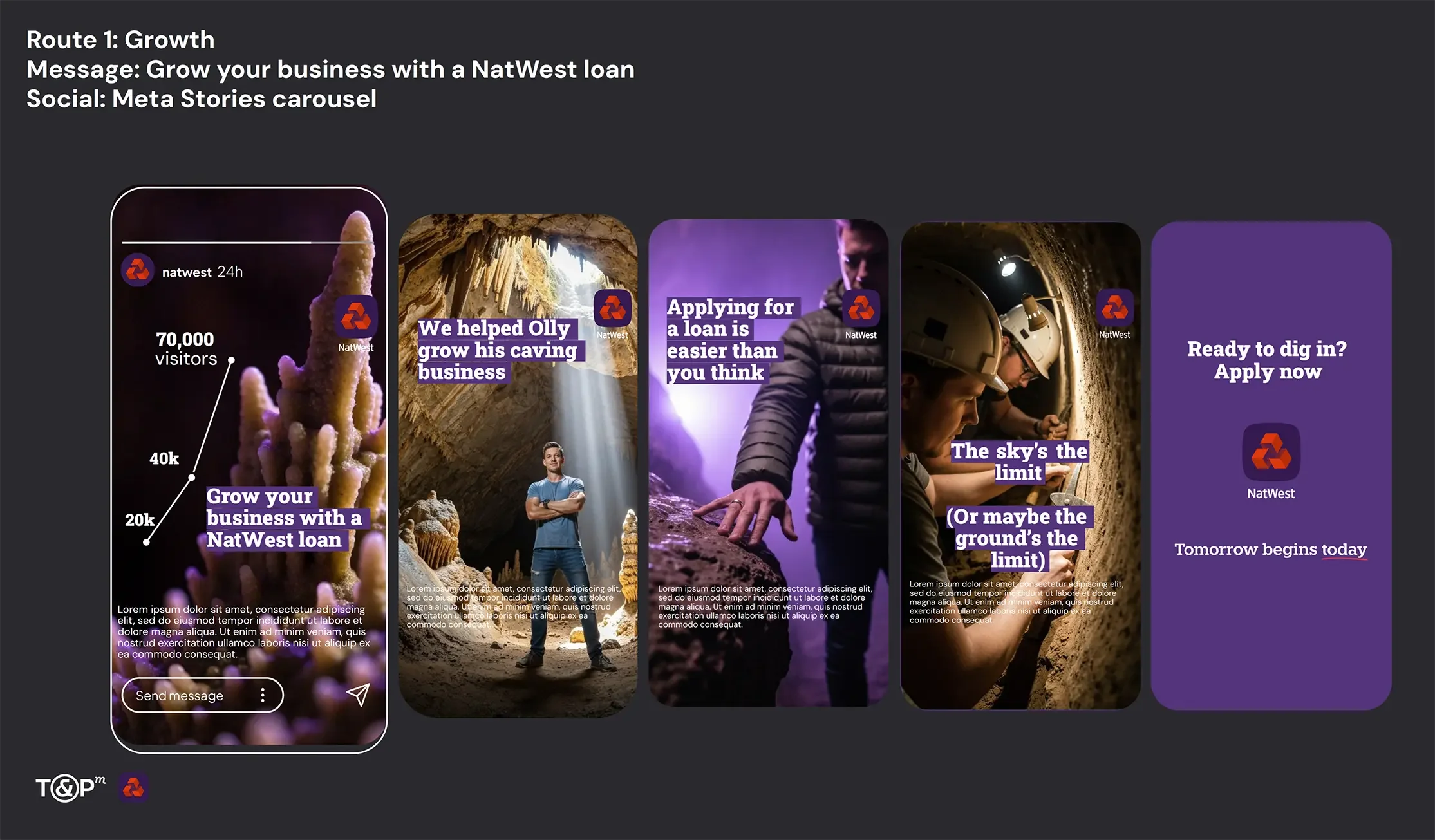
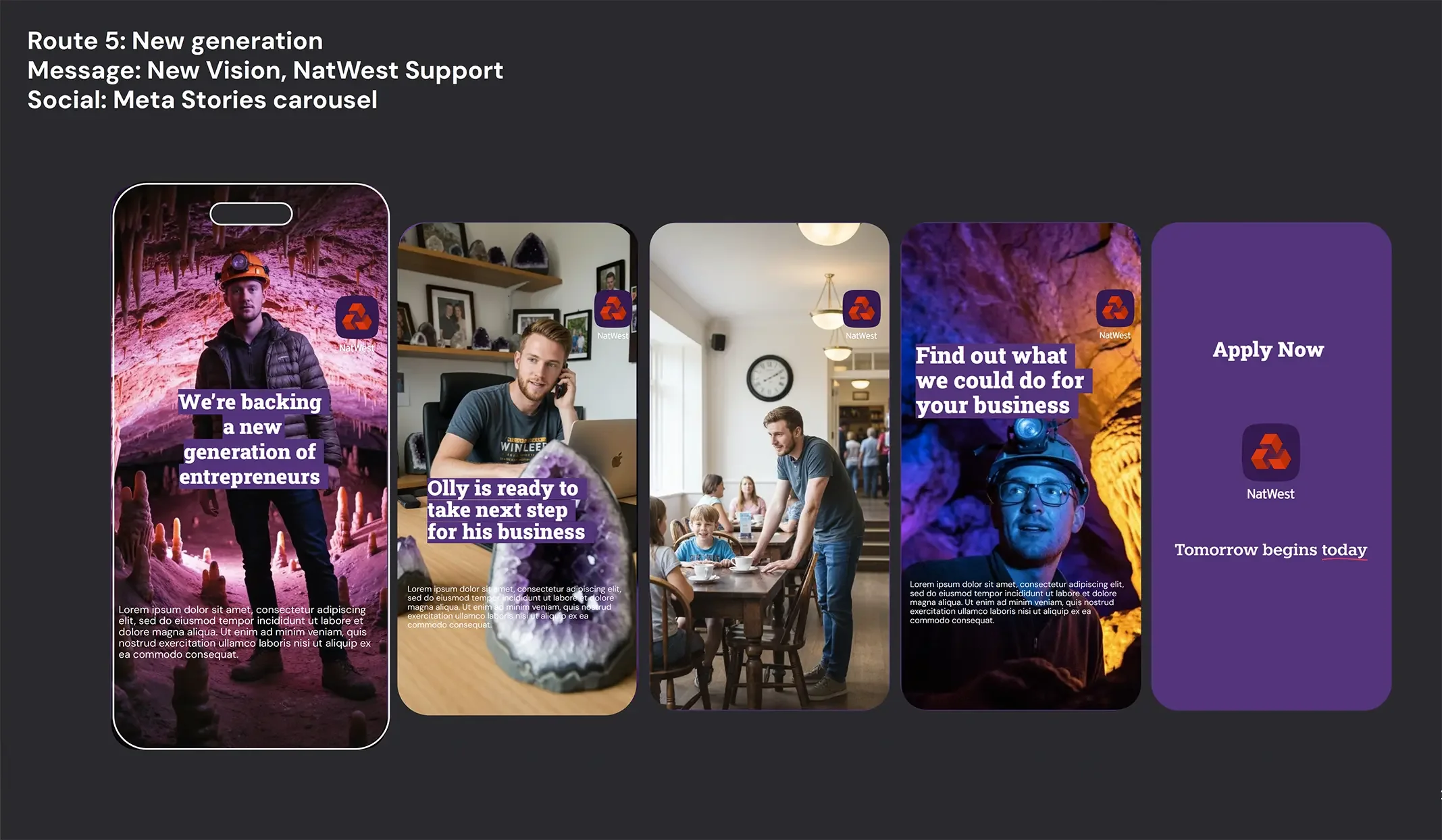
- Conversion Carousels
A conversation with owner Oliver Bowerman revealed the defining idea behind the campaign.
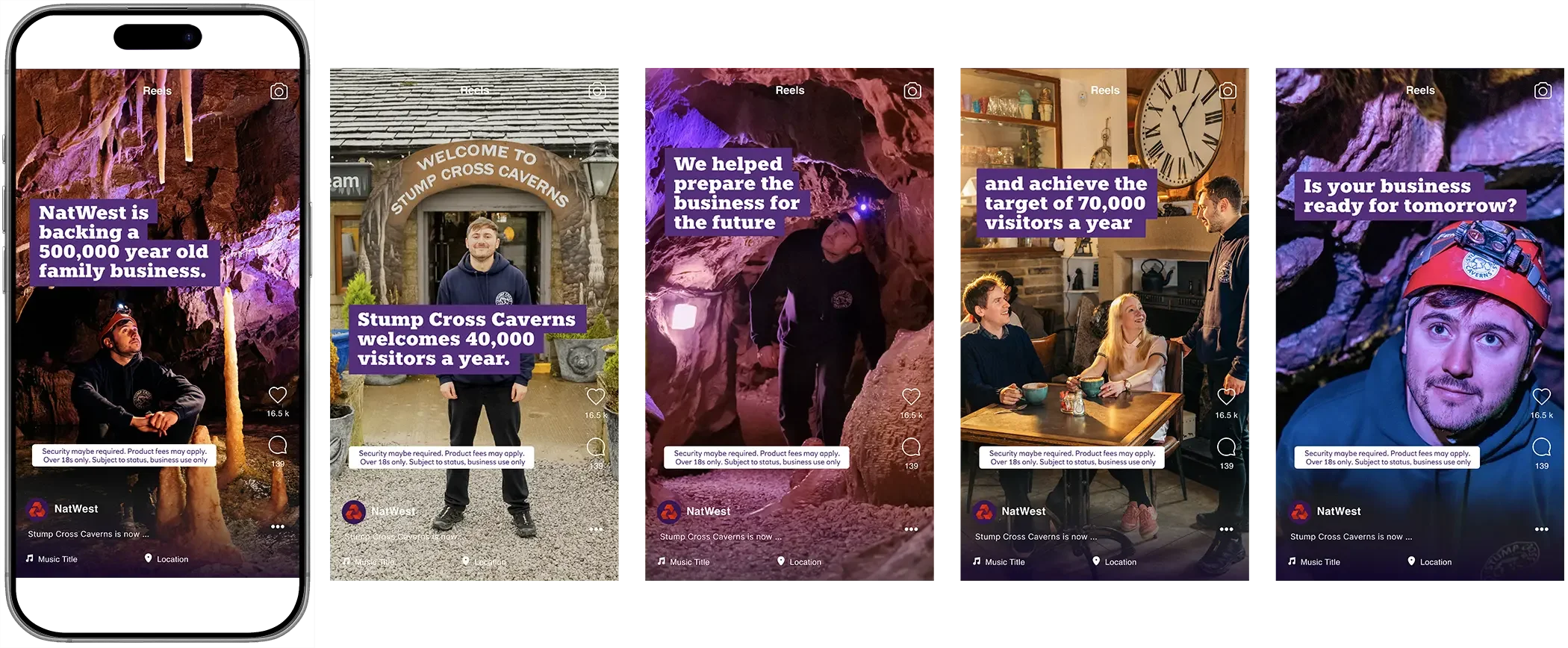
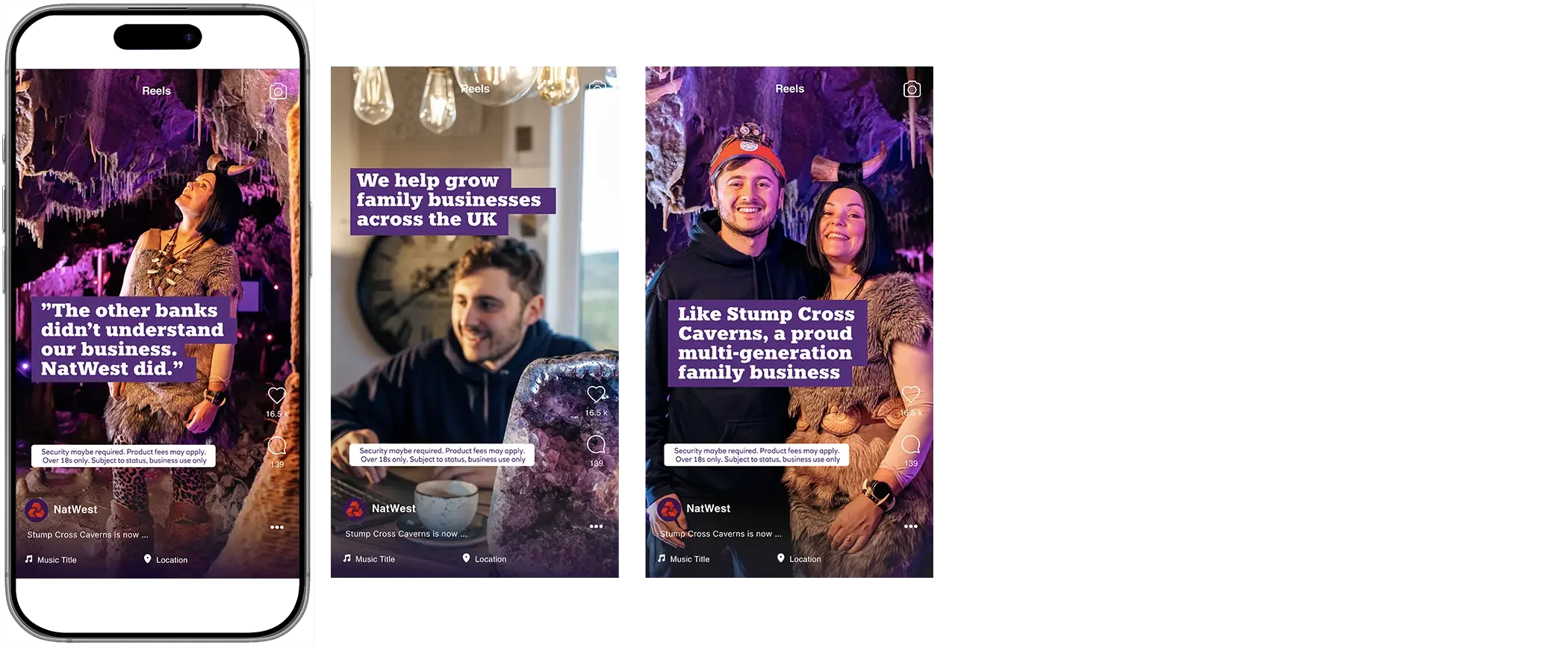
"The other banks didn't understand our business. NatWest did."
— Oliver Bowerman
This insight became the foundation of the narrative.
The story wasnt simply about securing funding, It was about being understood.
Insight
The creative approach transformed a financial case study into a story about stewardship, resilience and family legacy. Rather than leading with lending products or financial outcomes, the narrative focused on what the funding helped protect.
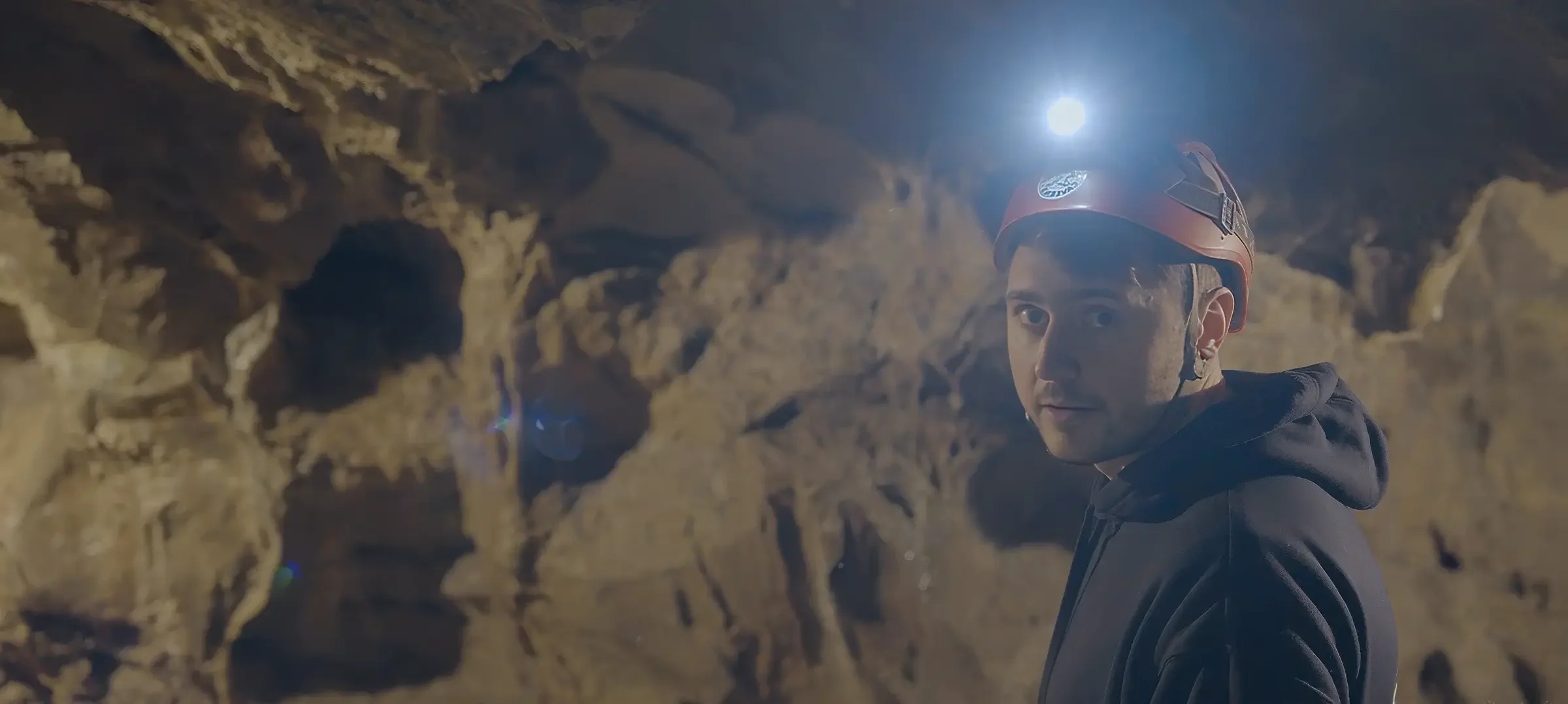
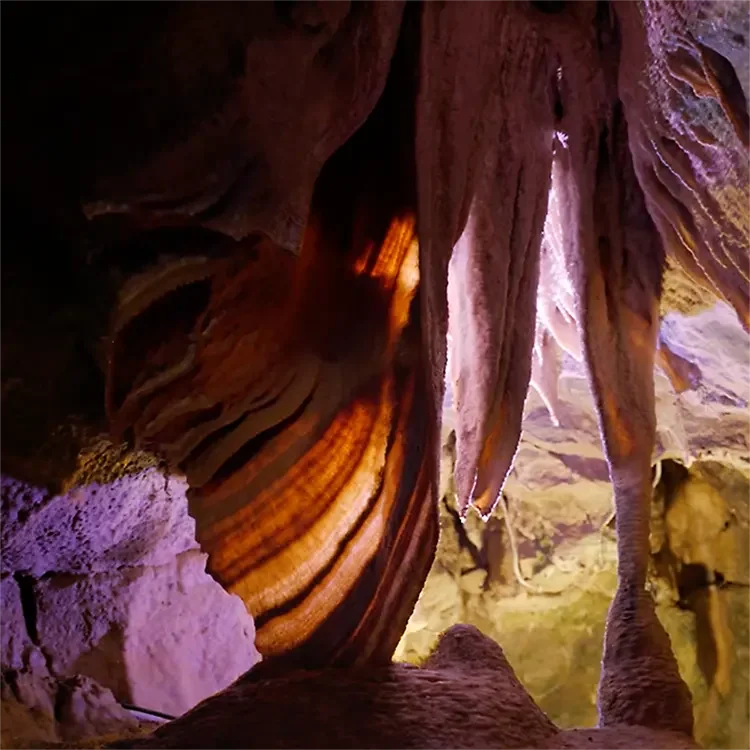
The cave itself became a central character. Its scale, atmosphere and history created a tension between the primal drama of the underground environment and the calm rural identity of the Yorkshire Dales. That contrast pushed the work away from documentation toward something more emotionally resonant.
The visual language is built around a raw underdog spirit, setting the cold realities of finance against the intimate pulse of a family business built over generations.
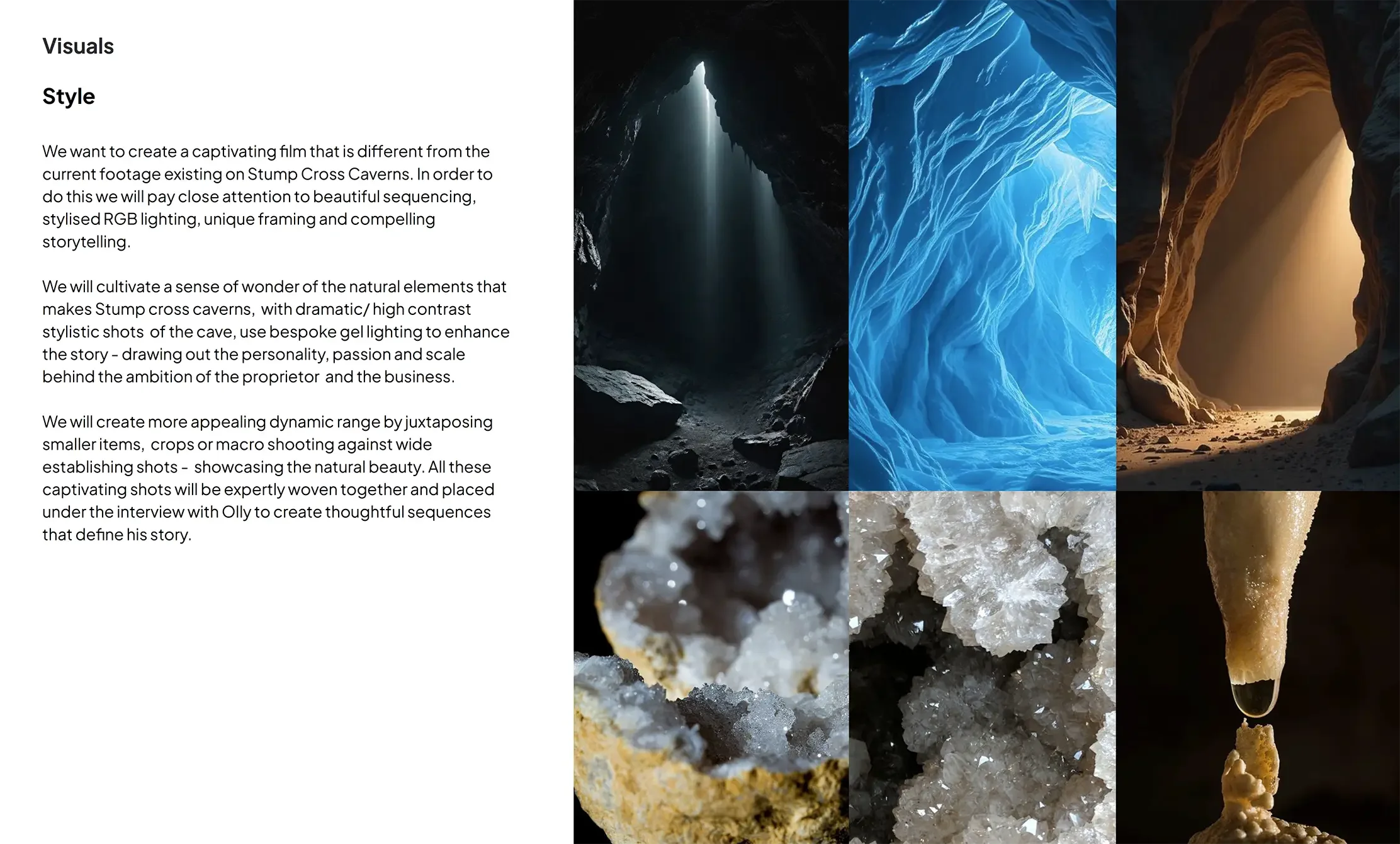
The cave's existing purple lighting became an unexpected detail worth running with, extended throughout film and photography to create continuity across the campaign and a quiet thread back to the brand.
Strategic Response
Case Study video
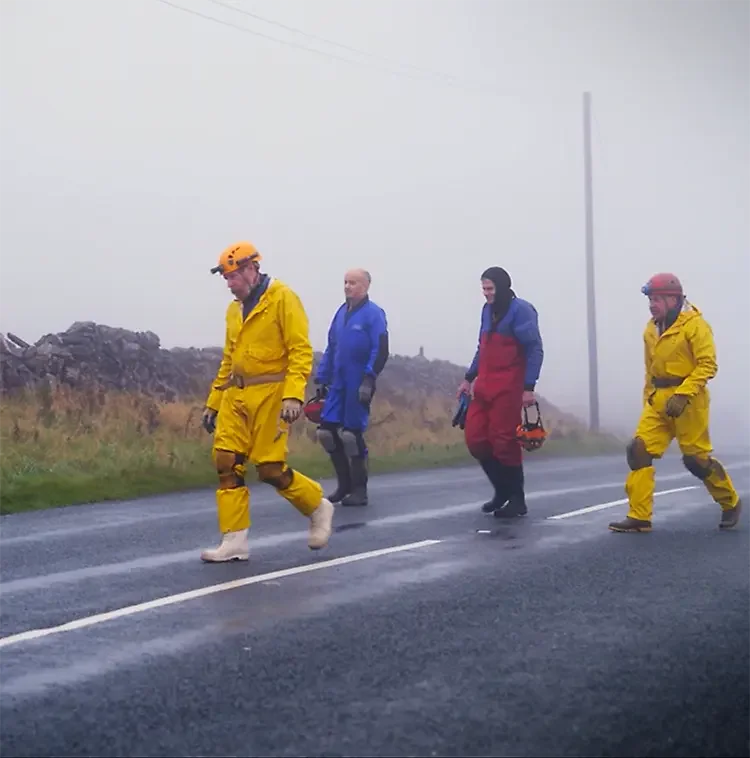
A two-minute film. The Bowerman family, a business loan, and a cave that's been in the family for generations.
Shot on location, it makes the case for NatWest as a long-term partner by focusing on what the funding actually helped protect.
Execution
Development
Text-to-image AI opened up the development phase, letting us explore narrative routes and test pacing across deliverables before committing to individual shots.
The priority was finding the right emotional shape early, not pinning down the storyboard.
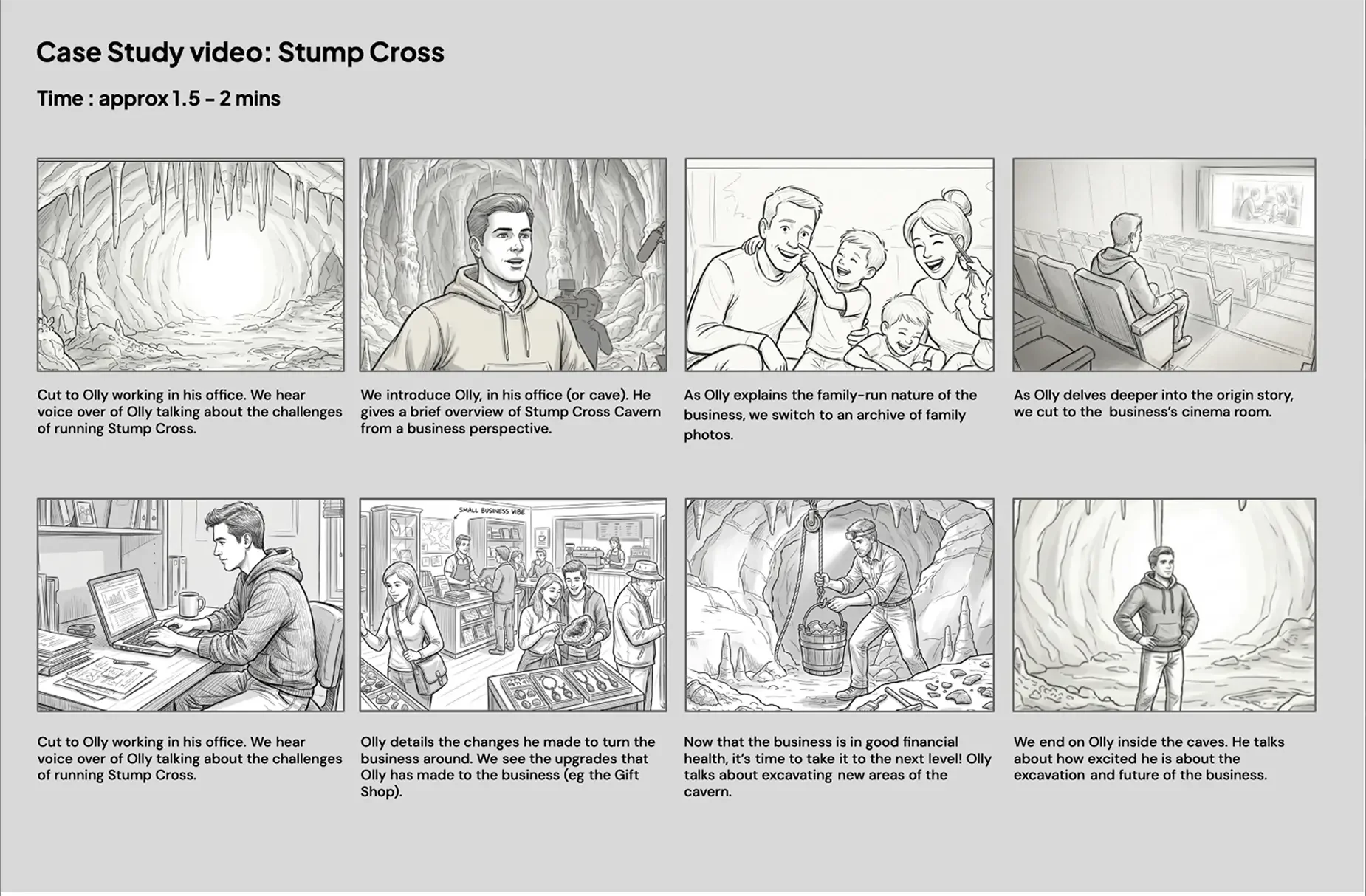
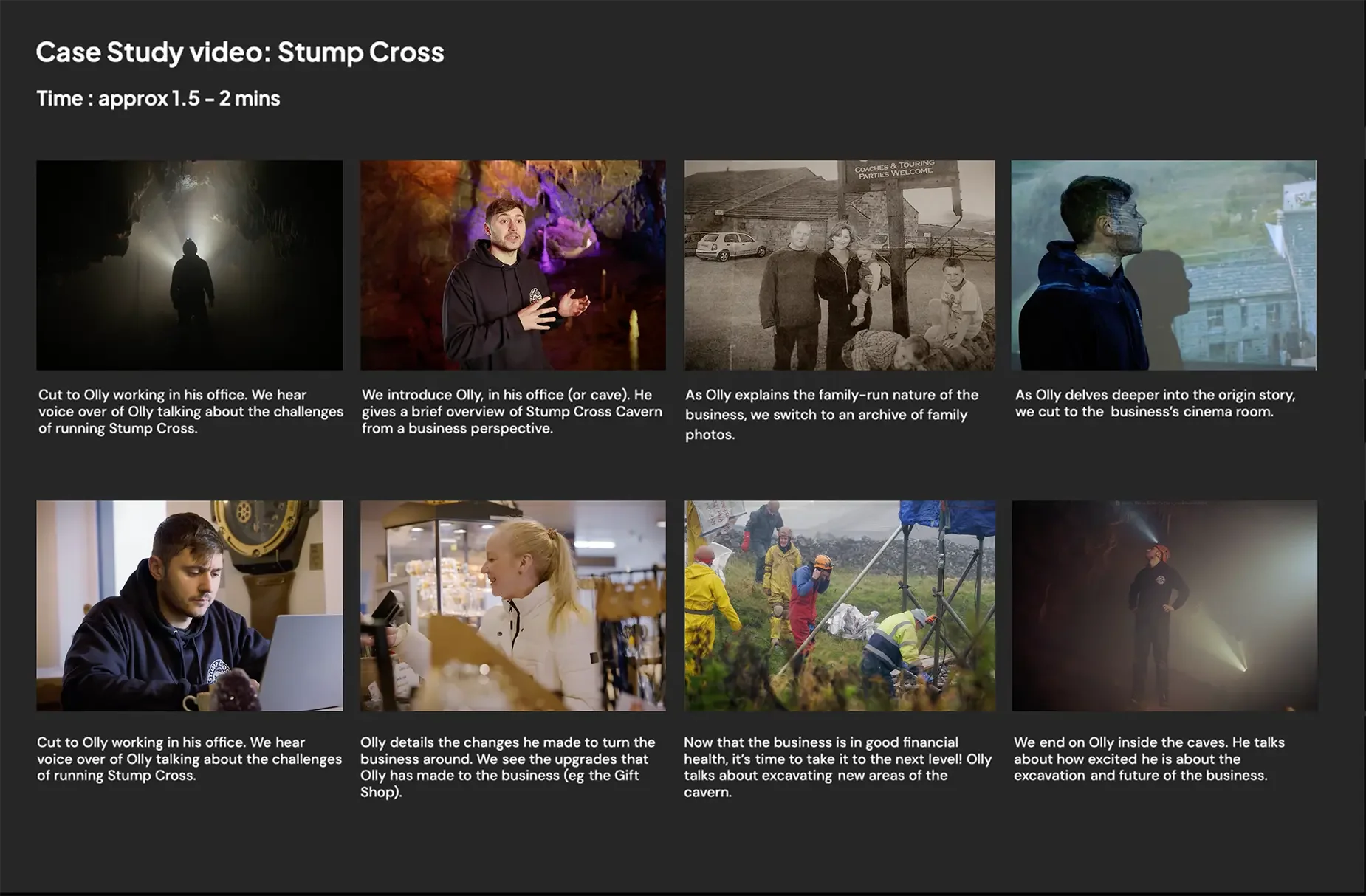
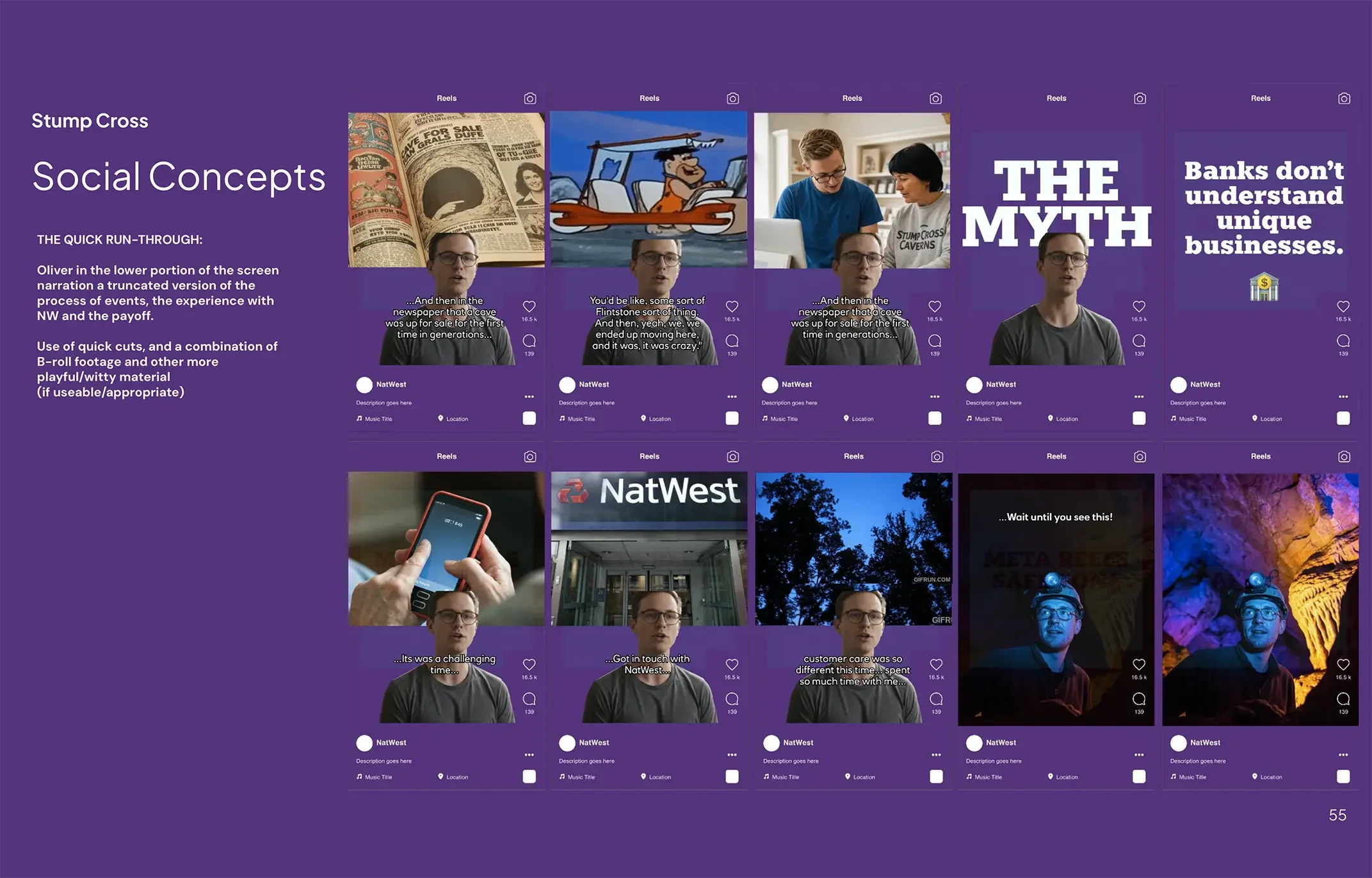
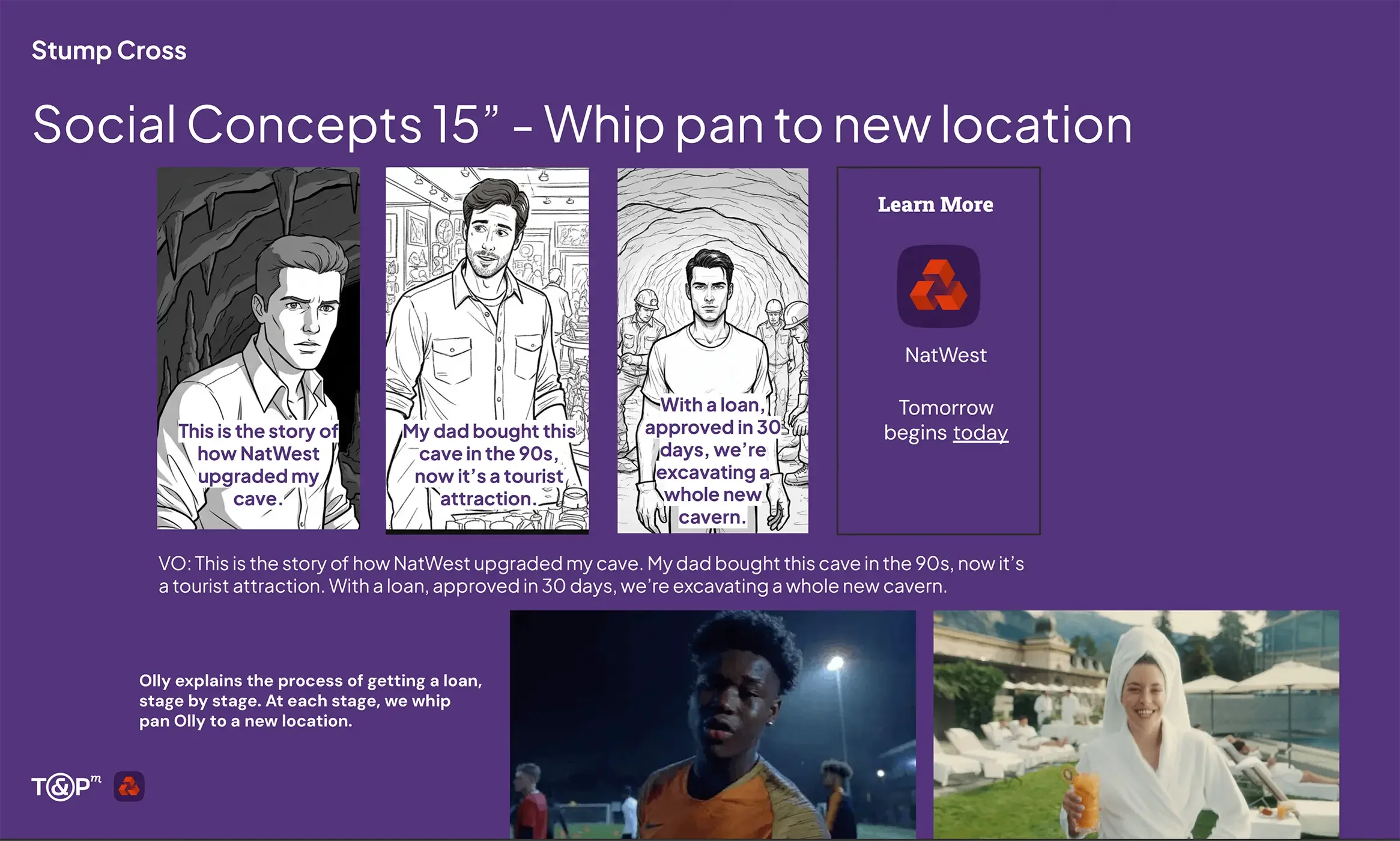
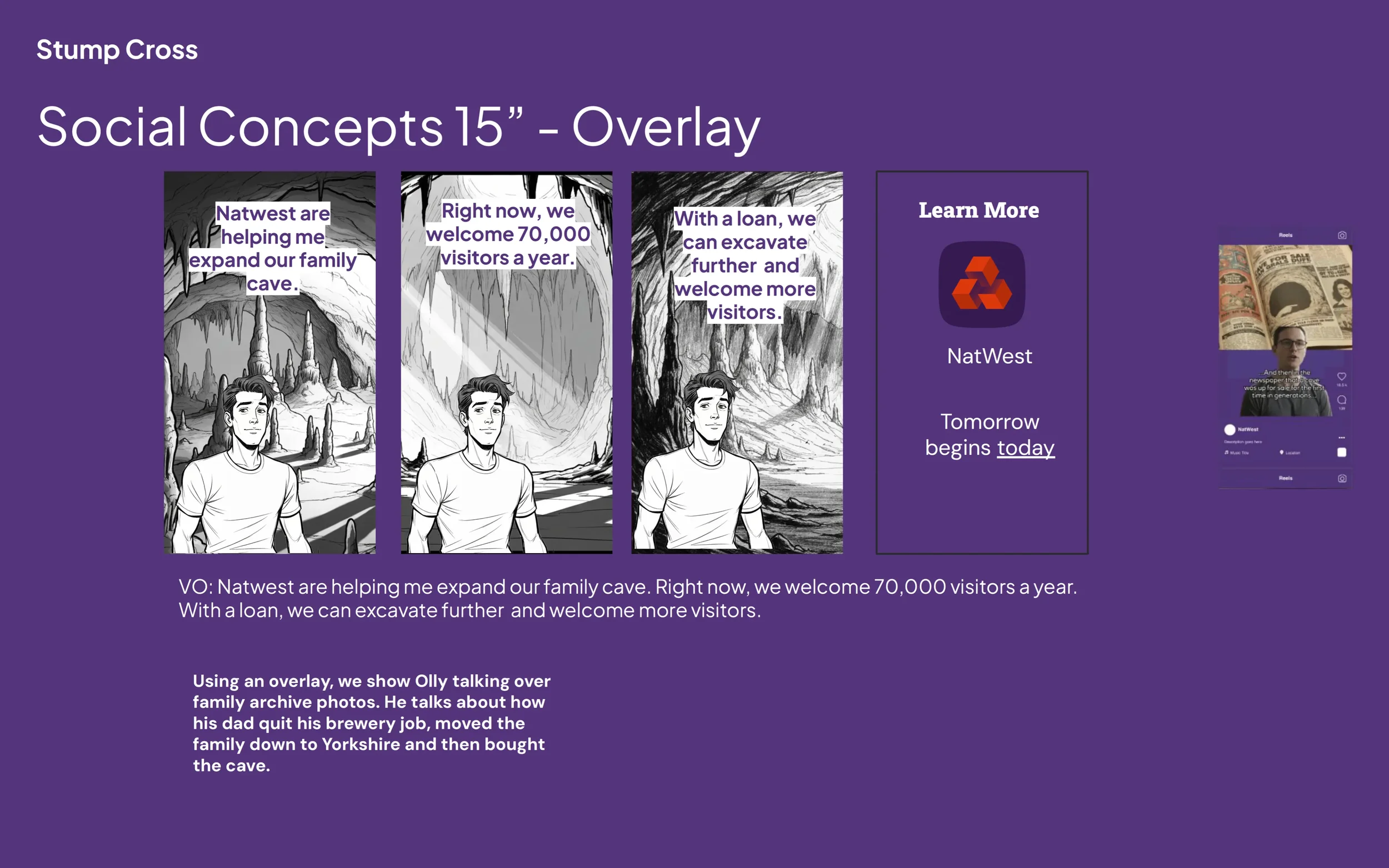
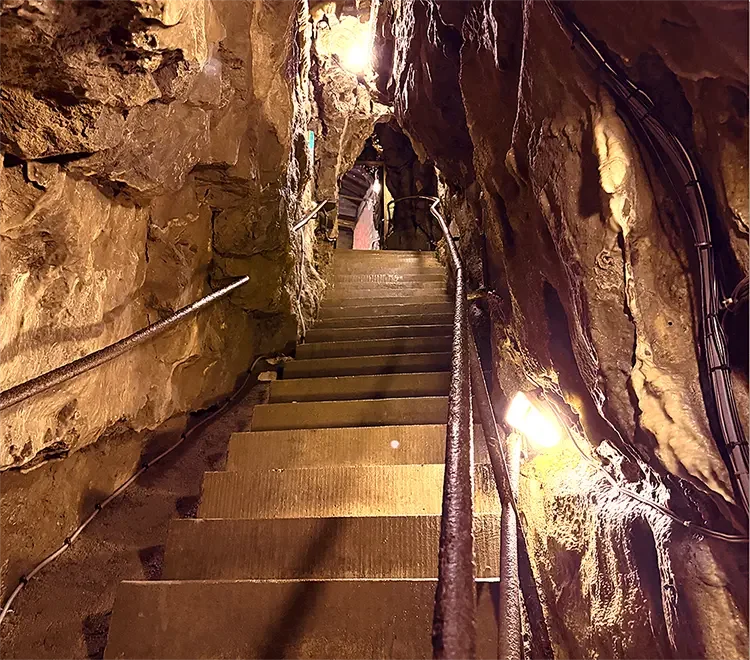
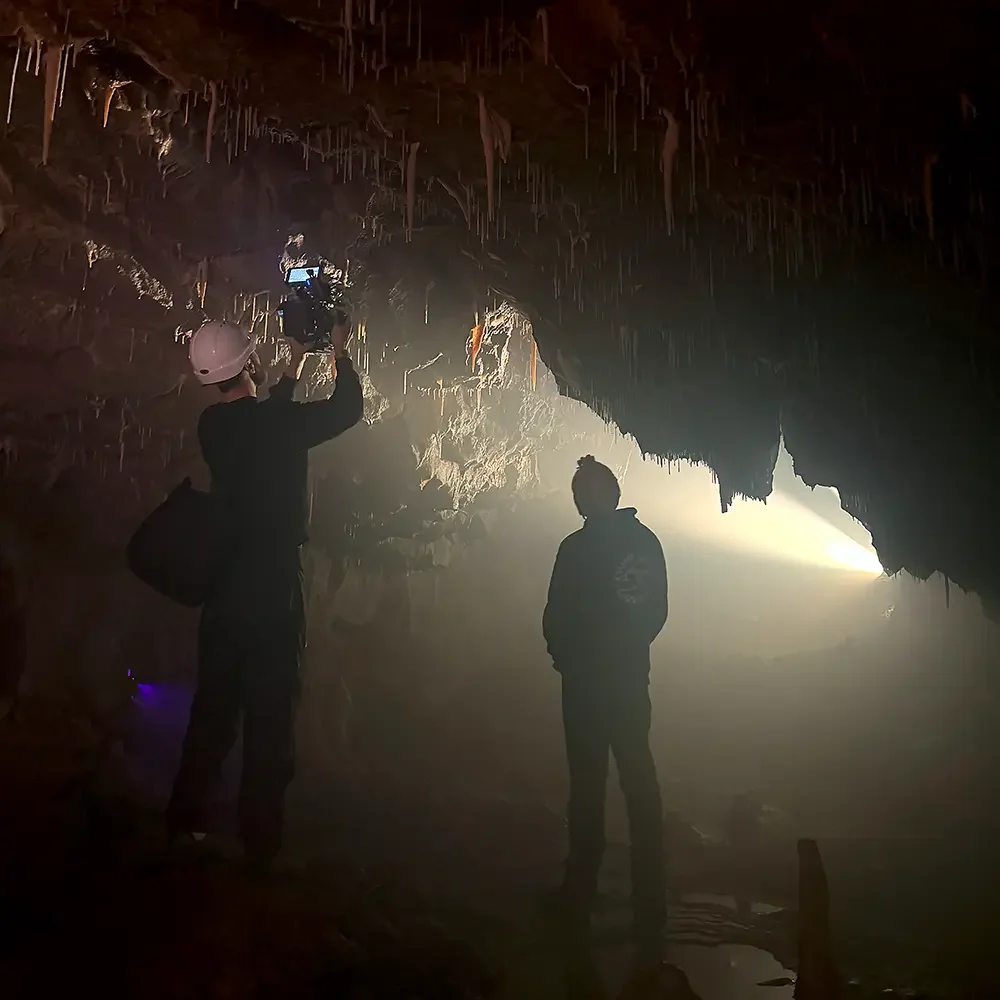
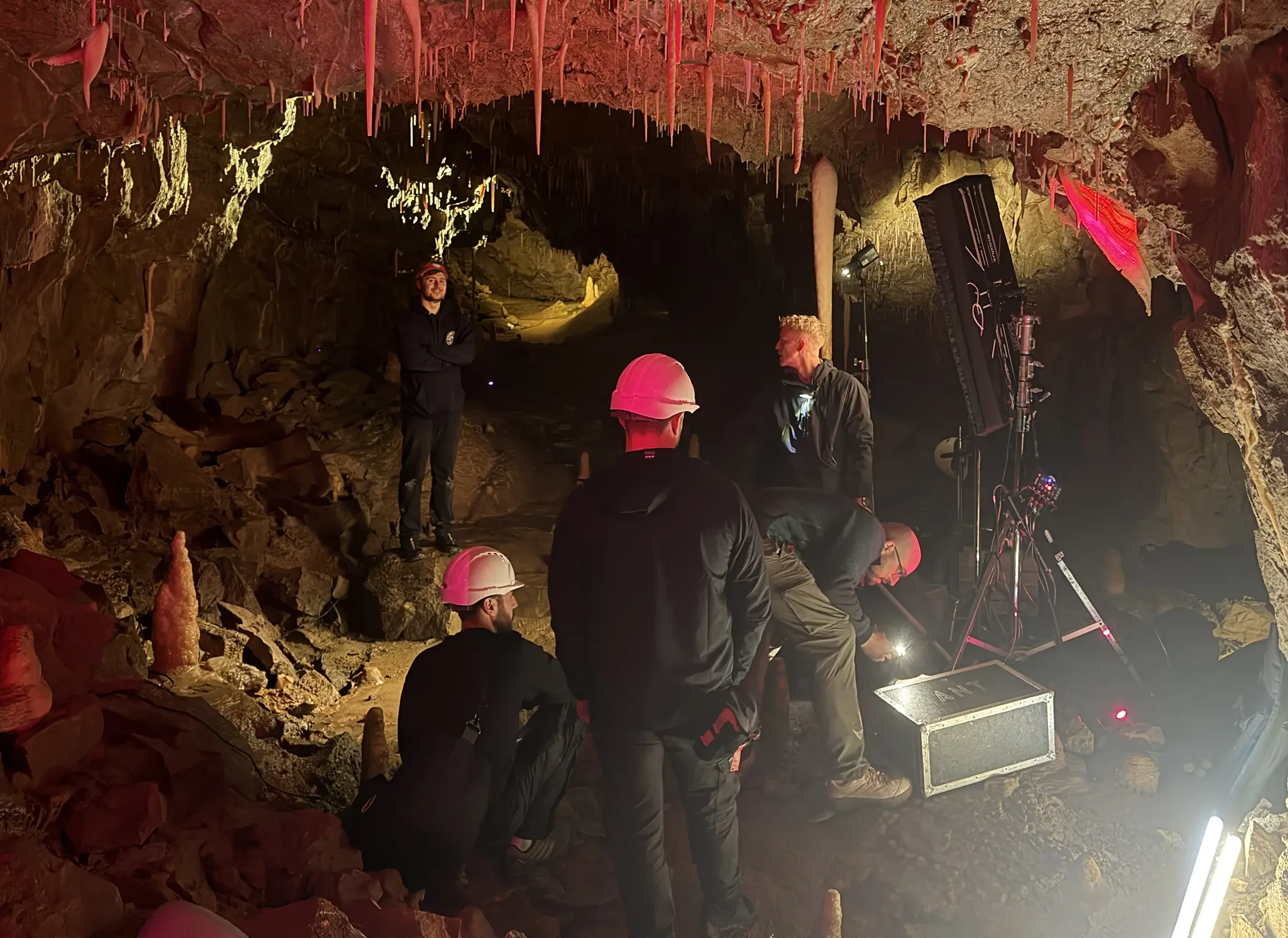
Filming inside an active cave system introduced significant operational constraints.
Restricted access around sensitive geological formations
No natural light or permanent power source
Generator-dependent lighting systems
Public access and educational visits continuing during production
No communication between cave and surface teams
Success depended on detailed planning, efficient decision-making and adapting quickly within a highly constrained environment.
Production Challenges
Each piece was designed to reinforce the value of a banking partner that genuinely understands independent businesses.
Rather than focusing on finance, the supporting content connected lending with something less transactional - preservation, continuity and the kind of responsibility that passes between generations.
Supporting assets
THE DREAM
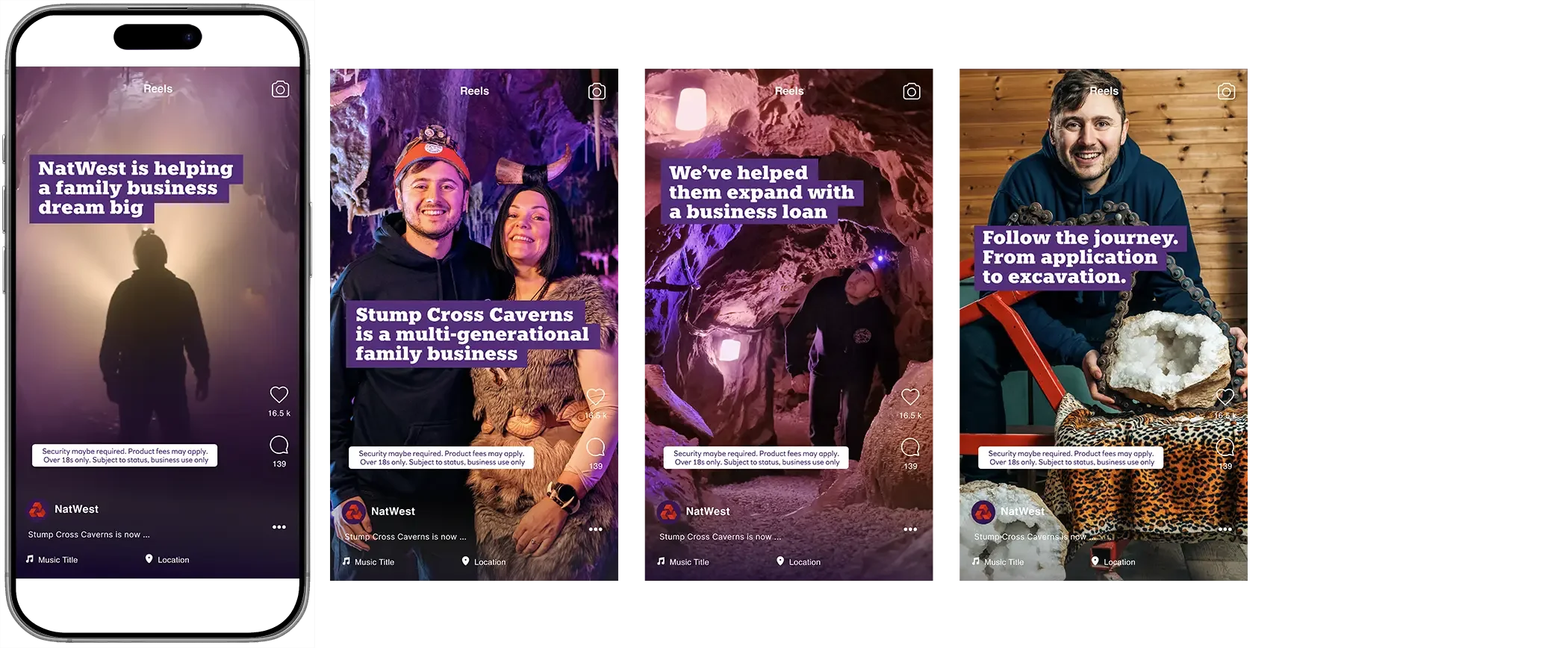
THE LEGACY
THE CAVE MUM
Visual Strategy:
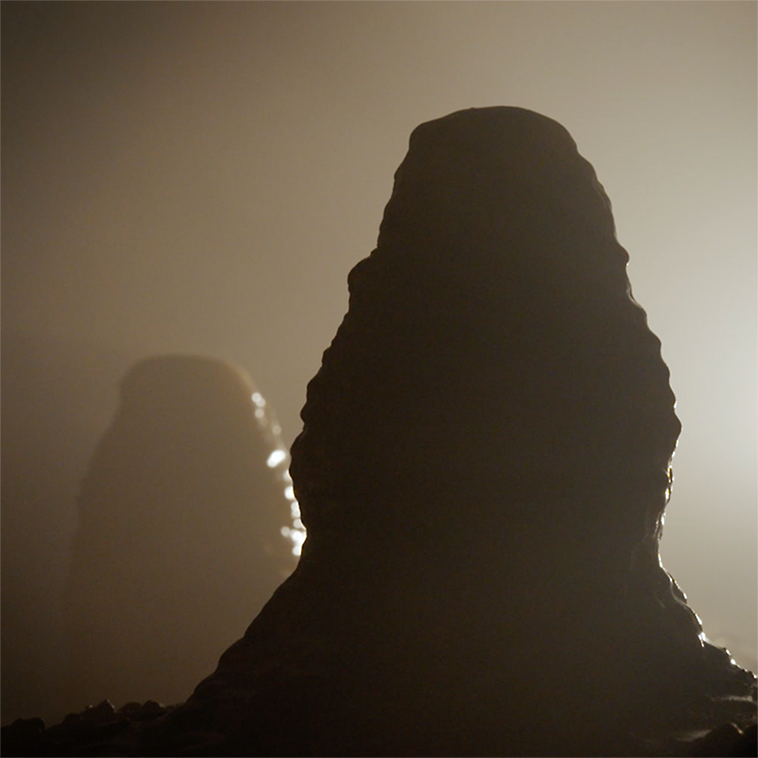
The cave wasn't treated as a backdrop - it was a character. Its scale, texture and atmosphere introduced a quiet tension between the primal drama underground and the calm rural identity of the Yorkshire Dales above.
That contrast was what pushed the work from documentation into something more atmospheric, where the setting carries the story as much as the people in it.
Execution
Outcome
The project repositioned NatWest within the story, from lender to long-term partner. By putting the people, the history and the place at the centre, the campaign stopped being about finance and started being about what the funding actually meant to the family behind the business.
A 500,000-year-old cavern system turned out to be a surprisingly powerful way to talk about legacy, continuity and the kind of support that actually matters to independent businesses.
The best material came long before a camera went underground. The real insight didn't come from the brief - it came from a Zoom call with Oliver, where he said something that ended up shaping everything: the other banks didn't understand our business. NatWest did.
That line reframed the whole project. The story was never about lending. It was about understanding.
It's a reminder I keep coming back to: find the real story first, then work out how to tell it. The more specific it got - the eccentric history, the "Cave Mum" marketing, the Yorkshire pride — the stronger the work became. A real story, told honestly, tends to do more than any amount of brand messaging.
Key Learning
©The&Partnership